

PRIVATE LIFESTYLE INTELLIGENCE
My access
Introducing our Fashion seriesWAYFORD RATING · FASHION
Narration & film credits

Observe. Understand. Assess.

20 seconds · Cinema format · English
Narration & film credits

We follow leading luxury houses on the runway, explore the stories behind their collections, and report. Next comes quality assessment: fabrics, materials and stitching, alongside design, individuality and innovation. Wayford Rating.

Voice: Marcel · Production: Higgsfield.

Open the film directly

WAYFORD RATING · FASHION COMPETENCE CENTRE

Quality.
Down to the detail.

Product examination. Laboratory analysis. Peer review.

We make the substance of exceptional fashion understandable. Twelve criteria lead from the first look at a fibre to a precise examination of the finished garment.

12
Criteria. One shared culture of quality.MEN & WOMEN · WAYFORD RATING
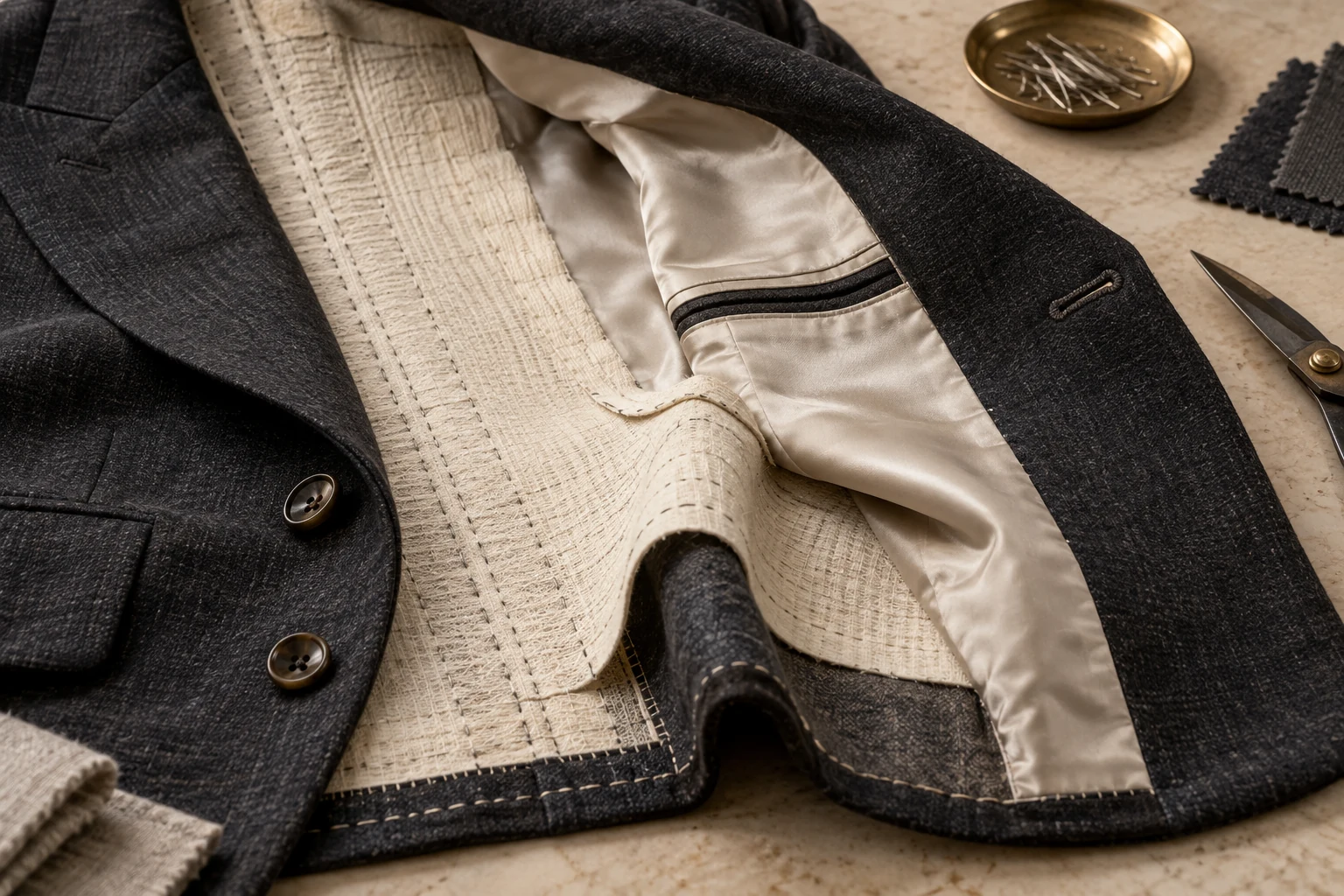
Construction study of outer cloth, interlining and lining
THE INNER ARCHITECTURECraftsmanship becomes visible in the detail.

THE WAYFORD FILM · 00:15

Quality revealed in every detail.

Inside our examination process: material analysis, precise seam inspection and the inner construction of a jacket — supported by documentation and peer review.

The Wayford methodology film · 15 seconds · EnglishBRIONI · CHANEL · DIOR
Narration & film concept

We examine materials, stitching and construction against twelve criteria. Hands-on inspection complements laboratory analysis, with documented findings and expert peer review. WayfordRating.

Voice: Marcel · Production: Higgsfield.

Open the video directly

WAYFORD RATING · FASHION INTELLIGENCE

Understand substance.
Examine quality.

Our competence centre combines product examination, laboratory analysis and peer review. Quality is investigated systematically, from fibre structure to workmanship.

Explore our methodology

THE TWELVE CRITERIA

Making quality visible.

Choose a criterion. Explore the detail.

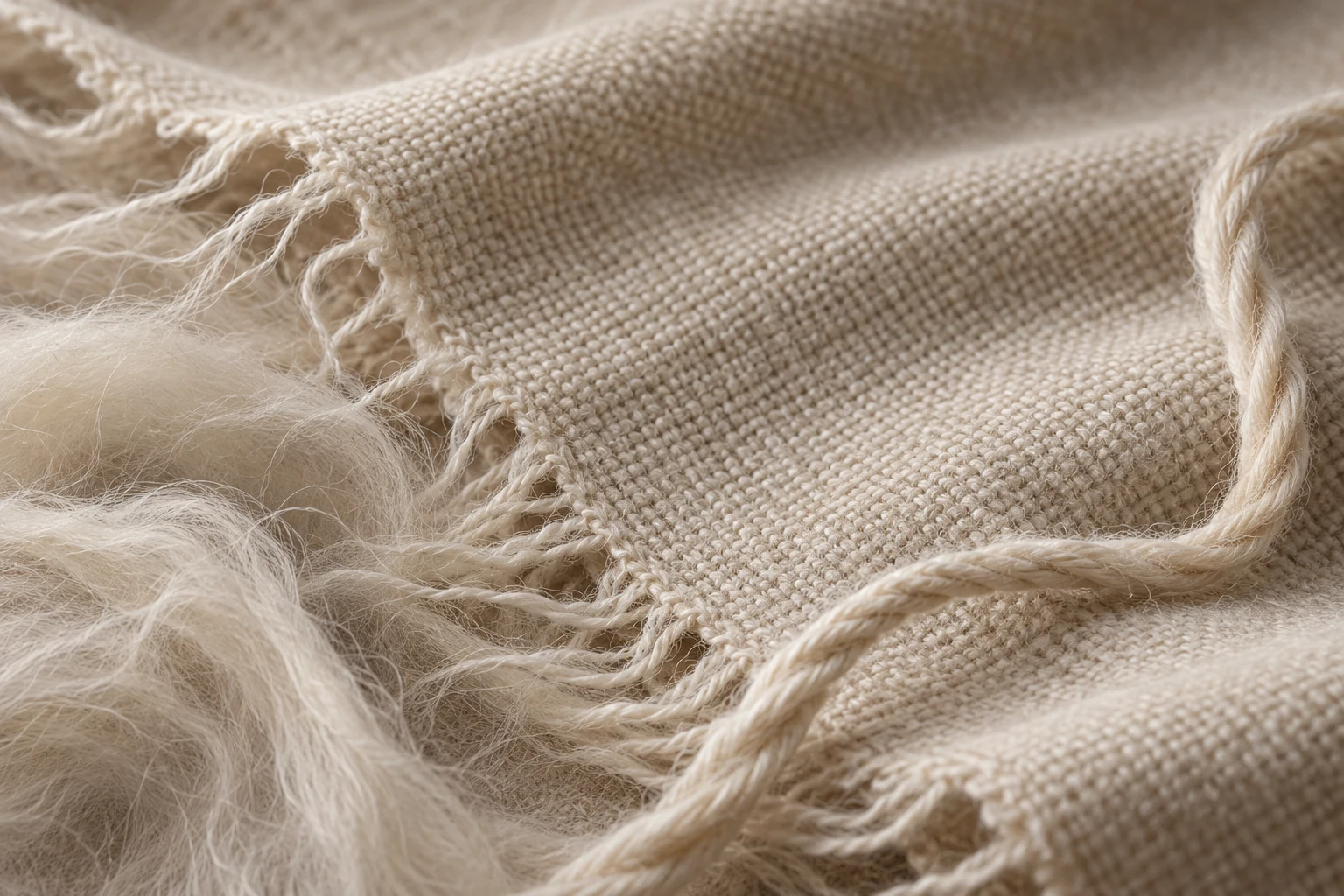
Material study of fibre, yarn and weaveMaterial & craftsmanship
Fibre diameterFineness · structure · uniformity
The principle in detail C01 / 12

C01 · FASHION CRAFTSMANSHIP

Fibre and material quality

Quality begins with the individual fibre. Composition, fineness and uniformity shape the handle, drape and behaviour of a fabric.

How we examine it

Microscopic fibre examination and composition analysis appropriate to the material.

In the dossier

Fibre content · diameter · material structure

Material study of fibre, yarn and weaveMaterial & craftsmanship
Twist / ply structureFrom single yarn to plied yarn
The principle in detail C02 / 12

C02 · FASHION CRAFTSMANSHIP

Yarn quality

Fibre becomes structure. Yarn fineness, twist and ply form the foundation of a balanced textile.

How we examine it

Magnified yarn inspection, yarn linear density and twist examination.

In the dossier

Linear density · uniformity · twist

Material study of fibre, yarn and weaveMaterial & craftsmanship
Warp × weftTextile architecture
The principle in detail C03 / 12

C03 · FASHION CRAFTSMANSHIP

Woven and knitted construction

The interplay of threads creates textile architecture. Weave and stitch structure are considered alongside weight, density and function.

How we examine it

Magnified structural analysis, thread or stitch density and mass per unit area.

In the dossier

Structure · density · fabric weight

Construction study of outer cloth, interlining and liningMaterial & craftsmanship
Stitch lengthEdge distance
The principle in detail C04 / 12

C04 · FASHION CRAFTSMANSHIP

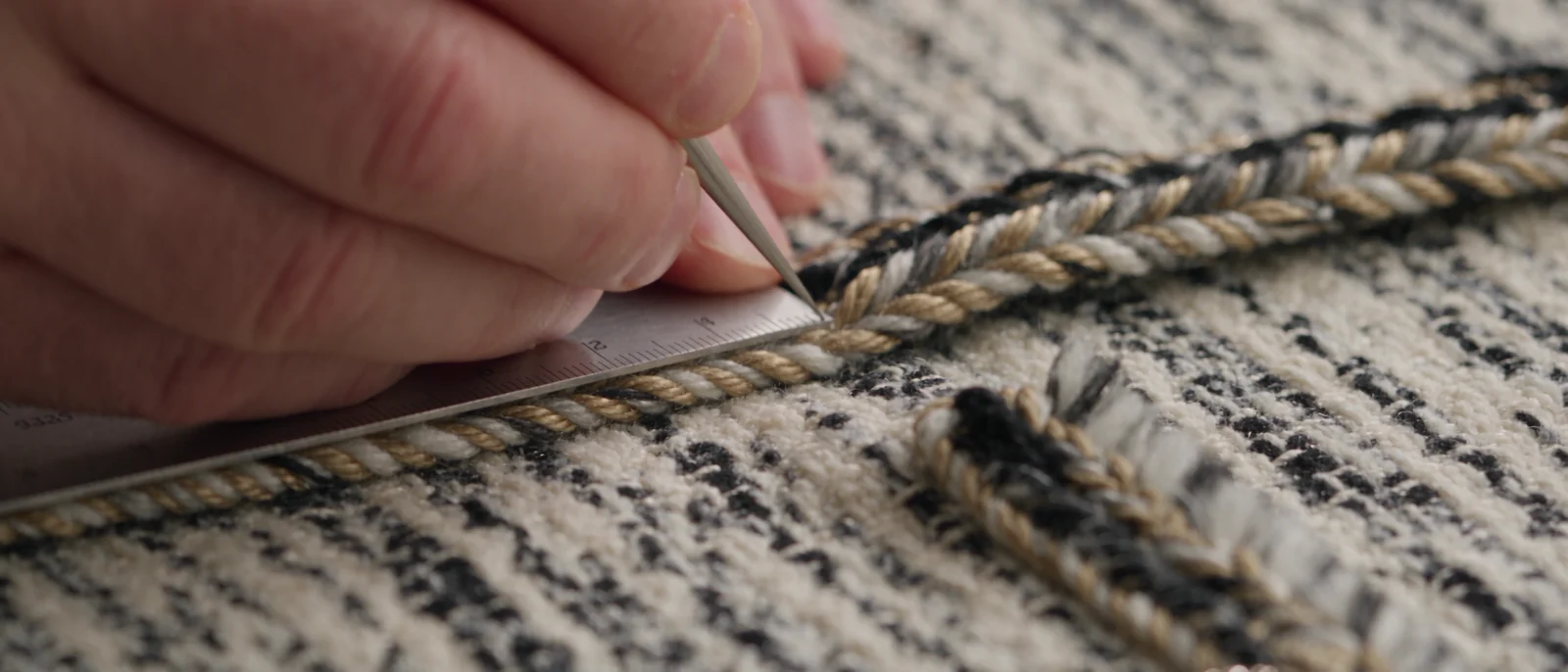
Stitch precision

A well-executed seam follows the form with a steady rhythm. Stitch formation, alignment and edge distance reveal precision.

How we examine it

Macro photography and measurement of defined seam sections; assessment of stitch formation and thread tension.

In the dossier

Stitch length · alignment · edge distance

Construction study of outer cloth, interlining and liningMaterial & craftsmanship
Seam allowanceLoad direction
The principle in detail C05 / 12

C05 · FASHION CRAFTSMANSHIP

Seam construction

A join must suit its material and intended use. Seam type, allowances and reinforcement are examined as a construction system.

How we examine it

Internal inspection and allowance assessment, supplemented by an appropriate mechanical seam-strength test.

In the dossier

Seam structure · allowance · strength

Construction study of outer cloth, interlining and liningMaterial & craftsmanship
Carry the pattern across the join
The principle in detail C06 / 12

C06 · FASHION CRAFTSMANSHIP

Cutting and pattern matching

Precision becomes visible at the transition. Grain, symmetry and pattern matching connect separate panels into a coherent shape.

How we examine it

Reference points and scaled photographs at seams, pockets, collars and fastenings.

In the dossier

Grain · symmetry · pattern alignment

Construction study of outer cloth, interlining and liningMaterial & craftsmanship
Outer clothInterliningLining
The principle in detail C07 / 12

C07 · FASHION CRAFTSMANSHIP

Shaping and internal construction

The silhouette is built from within. Outer cloth, interlining and lining work with shoulder, sleeve and lapel to create a moving whole.

How we examine it

Analysis of layers, pattern balance and movement allowance on a defined fitting form.

In the dossier

Outer cloth · interlining · balance

Construction study of outer cloth, interlining and liningMaterial & craftsmanship
Hem widthFolded edge · concealed stitch
The principle in detail C08 / 12

C08 · FASHION CRAFTSMANSHIP

Hems and edges

Care becomes visible at the finish. Even hems, refined curves and controlled edges support a clean drape.

How we examine it

Close edge inspection, hem-width measurement and assessment of curved finishes.

In the dossier

Hem width · corners · edge stability

Construction study of outer cloth, interlining and liningMaterial & craftsmanship
Buttonhole stitchingBar tack
The principle in detail C09 / 12

C09 · FASHION CRAFTSMANSHIP

Buttonholes and fastenings

Small details withstand daily use. Buttonholes, buttons, hooks and zips are examined for execution and function.

How we examine it

Detailed inspection, attachment assessment and functional cycles appropriate to the fastening.

In the dossier

Finishing · attachment · function

Construction study of outer cloth, interlining and liningMaterial & craftsmanship
Movement allowancePocket bag
The principle in detail C10 / 12

C10 · FASHION CRAFTSMANSHIP

Lining and concealed workmanship

Standards continue inside. Lining ease, pocket bags and concealed seams shape comfort and construction quality.

How we examine it

Systematic interior inspection, movement assessment and documentation of concealed workmanship.

In the dossier

Lining ease · pockets · internal edges

Material study of fibre, yarn and weaveMaterial & craftsmanship
Raking lightSurface texture
The principle in detail C11 / 12

C11 · FASHION CRAFTSMANSHIP

Surface finish

Light reveals the surface. Colour, pressing, embroidery and appliqué are assessed for consistent execution faithful to the design.

How we examine it

Controlled-light inspection and detail photography; material-specific colourfastness and adhesion testing where appropriate.

In the dossier

Colour · surface · appliqué

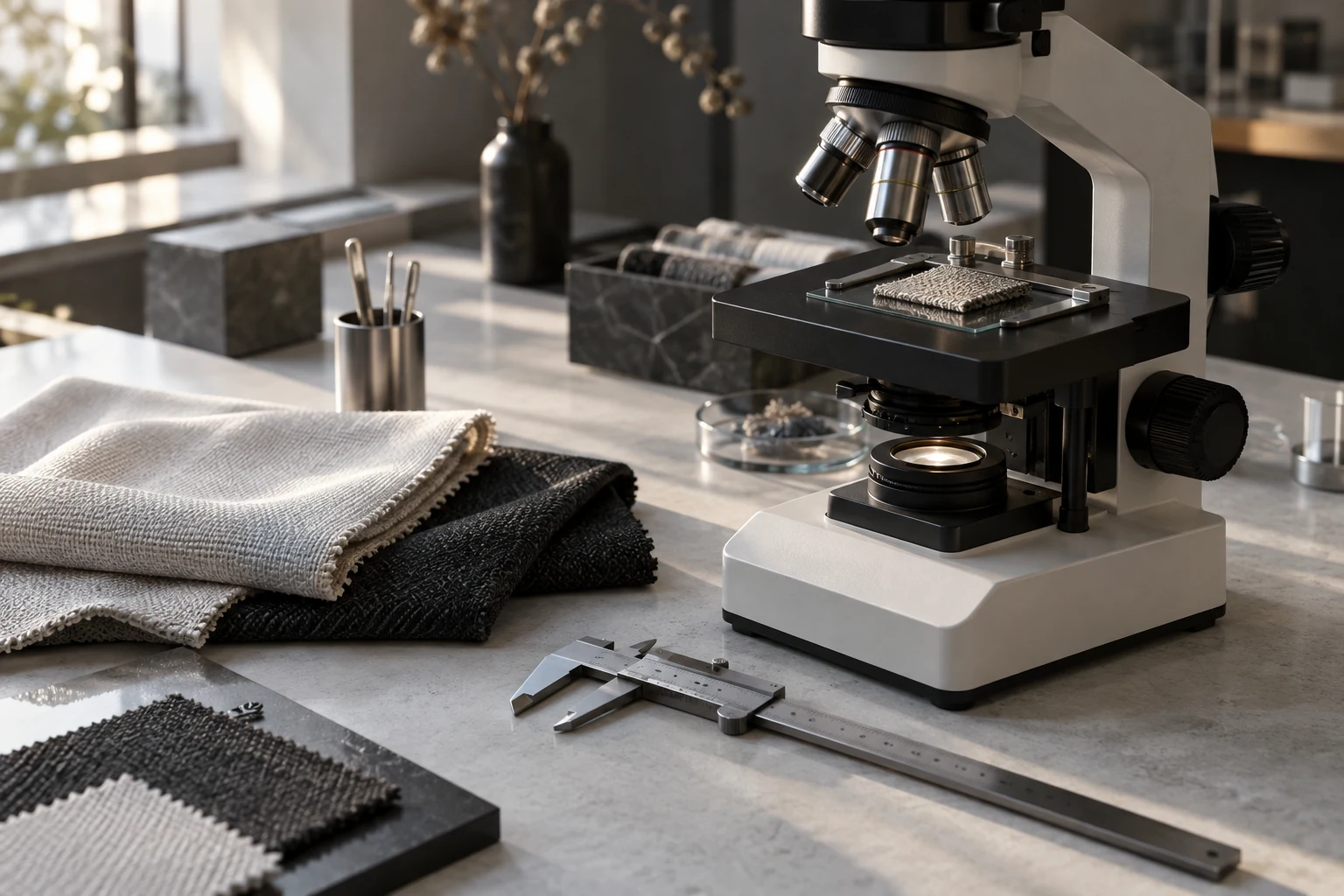
Illustrative textile laboratory study at a microscopeMaterial & craftsmanship
AbrasionCareRepair
The principle in detail C12 / 12

C12 · FASHION CRAFTSMANSHIP

Durability and repairability

Quality proves itself in use. Abrasion, pilling and care behaviour are considered alongside alteration allowances and repair options.

How we examine it

Product-appropriate abrasion, pilling and care tests, plus construction-based assessment of repairability.

In the dossier

Abrasion · dimensional stability · repair

Illustrative textile laboratory study at a microscope
Textile analysis · illustrative image study

LABORATORY ANALYSIS

Beneath the surface
lies the substance.

Laboratory analysis deepens product examination where material properties and behaviour can be measured. We select methods to suit the question, the fabric and its intended use.

  • Fibre identification & composition
  • Seam strength & mechanical behaviour
  • Abrasion, pilling & dimensional stability
  • Colourfastness & care behaviour

Measurements, test conditions and the method version form the basis of peer review.

THE WAYFORD PROTOCOL

A clear path
to informed judgement.

Every examination has a defined product scope, a documented method and an expert second review.

  1. 01

    Selection & protocol

    Define product, sample and examination scope.

  2. 02

    Product & laboratory

    Examine workmanship and perform suitable laboratory analyses.

  3. 03

    Peer Review

    Review methods, measurements and interpretation.

  4. 04

    Dossier & release

    Document findings clearly and release them to members.

Method references & imagery

Technical references on textile testing:

Hohenstein · Textile testingISO 13935-1 · Seam tensile properties

The material, atelier and laboratory images are original AI-generated visual studies. The twelve schematic drawings explain construction and examination principles.

WAYFORD RATING

The brand in motion.

Wayford Rating · Markenfilm · 7 Sekunden